Pilton is a village of stone cottages, farmhouses and barns on the A361, about two miles south-west of Shepton Mallet. Our electricians already work here: inspections, mains heat and carbon monoxide alarms, faults traced under floorboards, new lighting and consumer units. We price every job as a fixed figure once we have seen it, and every circuit we touch is tested and certified before we leave.
Most people know Pilton because the Glastonbury Festival is held near the village, but the village itself is a quiet place of stone cottages, working and former farmhouses, barns and the old tithe barn. The houses were mostly built long before anyone thought about running cables through them, so in a typical older cottage the wiring has arrived in stages: a socket ring added one decade, a new kitchen another, a bathroom refit more recently. Each stage was often done by someone different, and that patchwork is what we tend to find when we open things up.
Thick stone walls mean cables tend to run in plaster, in surface conduit, or down through the floor void from above. Under the floors of older cottages it is common to find junction boxes buried in the void, cables resting on top of joists where a nail or screw can reach them, and old circuits that were cut off during a refit but never properly terminated. Farmhouses and barns add longer runs to outbuildings, often put in decades ago with cable that was never meant to be buried or left outside.
None of that means a house is dangerous. It means the only honest way to know is to test it, and that is where we start in Pilton.
For the everyday list of sockets, lights, showers and outdoor power, our domestic electrician page covers how call-outs are priced.
If you rent a Pilton property to a tenant, the Electrical Safety Standards in the Private Rented Sector and Social Rented Sector (England) Regulations 2020 apply. The installation has to be inspected and tested at intervals of no more than five years, the tenant gets a copy of the report within 28 days, and any remedial or further investigative work the report calls for must be done within 28 days, with written confirmation to the tenant and the local housing authority. Alarm law requires a smoke alarm on every storey with living accommodation and a CO alarm in any room used as living accommodation that has a fixed combustion appliance other than a gas cooker.
If you let to paying guests instead, the installation should still be inspected and tested at least every five years. Our single-let landlord pack puts the EICR, the alarms and the certificates into one visit. The full picture is on our landlord compliance page.
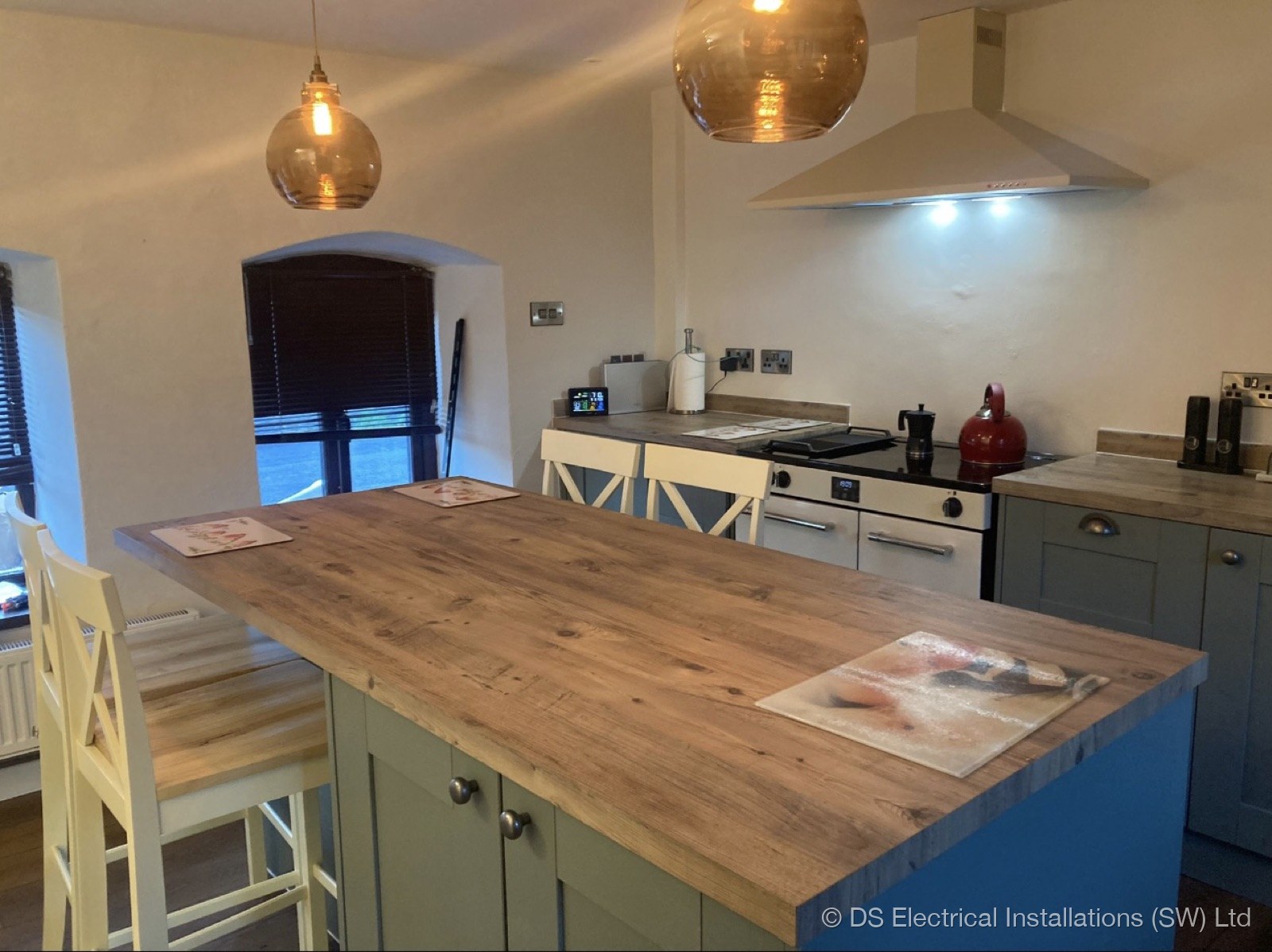
The A361 runs from Shepton Mallet through Pilton towards Glastonbury, which makes the village straightforward for us to reach. Pilton is about two miles south-west of Shepton Mallet and about four miles south-east of Wells, which puts it inside the area our Shepton Mallet page covers, and within easy reach of Wells and Glastonbury too.
We work from our Mid Somerset base and do not charge by the hour for planned work. For a small job we can often give a fixed figure from photos and a phone conversation; anything larger gets a survey and a written price.
A circuit that trips the moment you reset it usually has a hard fault somewhere along its length. In a cottage that often means under a floor or behind a skirting, where a cable has been pierced, crushed or got wet. We start at the board, isolate the circuit, and use insulation resistance and continuity tests to narrow it down to a section between two points. Only then do we lift anything, and only where the readings say the problem is.
Once the damaged length is found it is either repaired with a proper joint rated for the job or the section is cut out and the circuit fed another way. Either way the circuit is re-tested before it goes back on, and you get the readings.
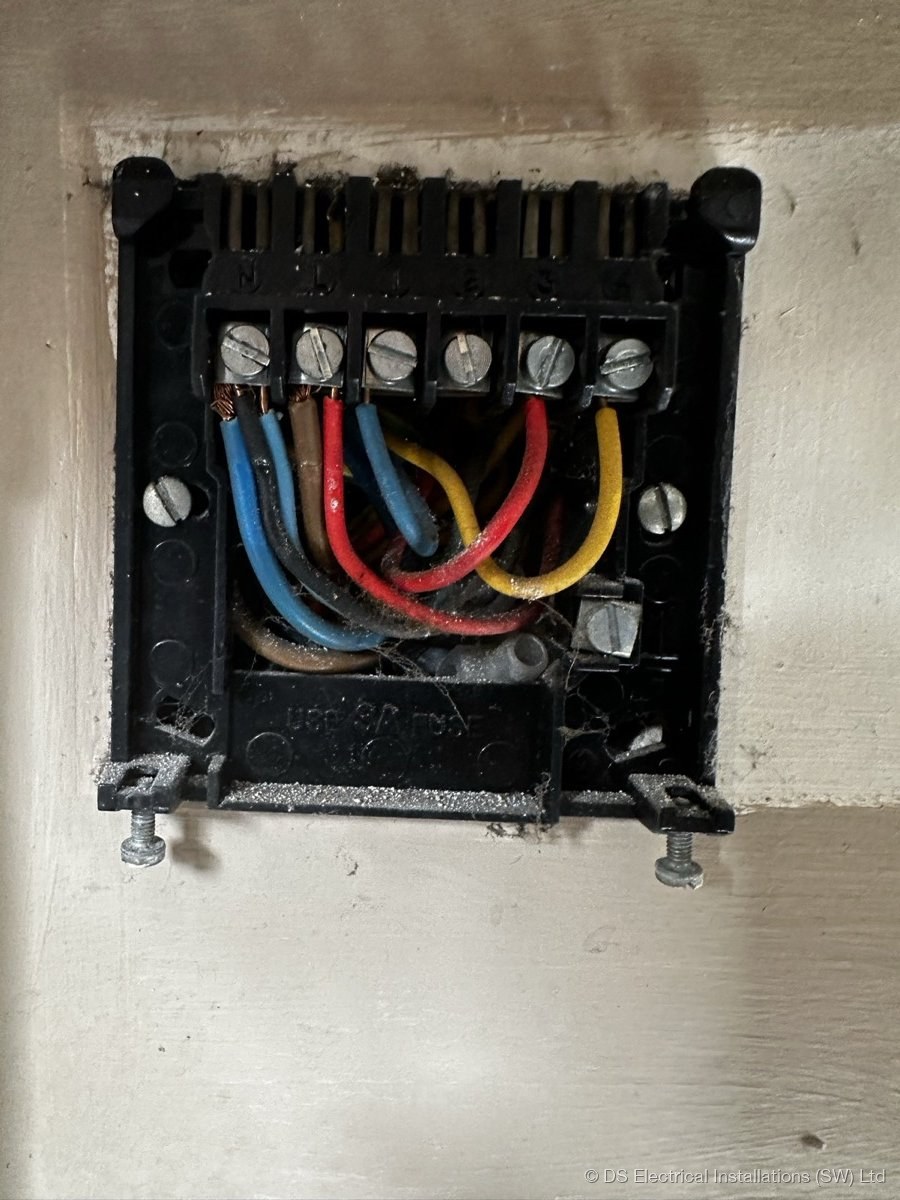
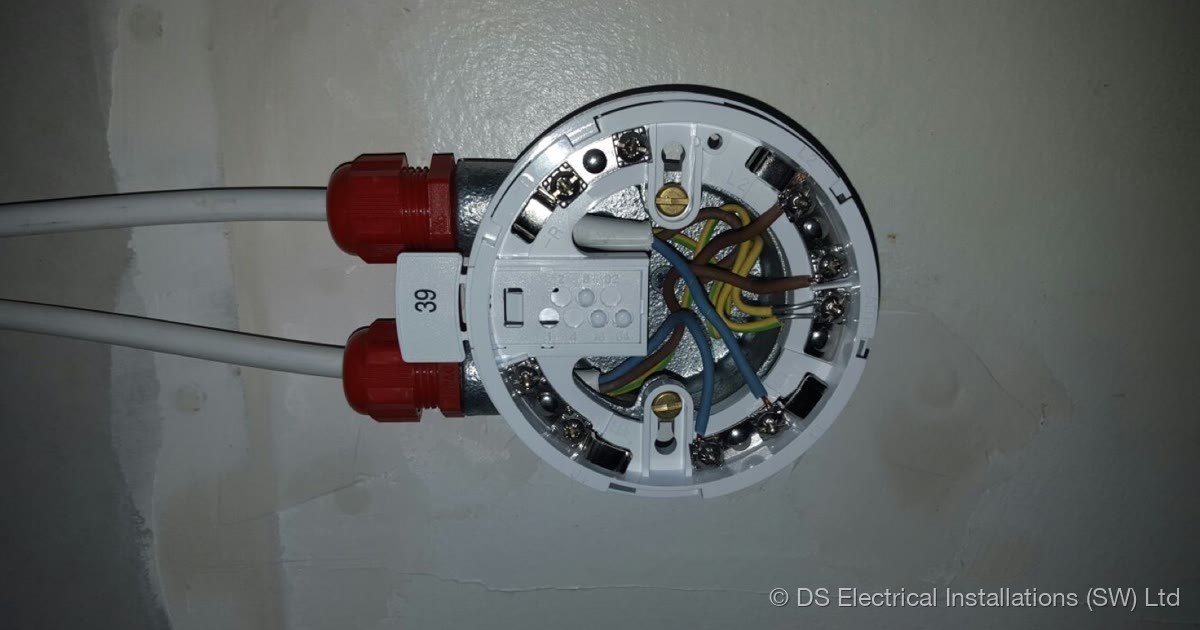
Croscombe lies on the A371 in the valley of the River Sheppey, about two miles west of Shepton Mallet and about three miles east of Wells. Its stone cottages sit close to the road and the river, and like Pilton's they have solid walls that make cable routes something to plan rather than improvise. We have carried out bonding tests there for a house sale, and the village gets the same kind of inspection, alarm and consumer unit work as Pilton.
Coxley is the village between Wells and Glastonbury, about two miles south-west of Wells and about three miles north-east of Glastonbury. The requests we expect from Coxley homes are the same everyday ones as anywhere in the area: EICRs when a house is bought or sold, new circuits for kitchens and extensions, chargers where a driveway gives a safe cable route, and consumer unit replacements where an older board leaves circuits without RCD protection.
Evercreech is about three and a half miles south-east of Shepton Mallet, with St Peter's church tower over the village. We replaced an older Wylex board there this year, one that grouped circuits under shared RCDs, with a metal RCBO board and surge protection, upgraded the earthing and bonding, added interlinked alarms and ran a new armoured supply to the garage, where we also found and corrected an old cross-polarity fault.
Ditcheat is a racing-stables village about two miles south-west of Evercreech and about three miles north-west of Castle Cary. Stables, yards and outbuildings need robust supplies: armoured cable buried or clipped where it cannot be damaged, metal-clad sockets, lighting that copes with damp and knocks, and a proper means of switching each building off locally. All of it should be tested and certified in the same way as the wiring in the house, and included when the property has its periodic inspection.
These are real jobs from this year. We do not name customers or houses.
Leave your details and a line about the job. We will ring you back to talk it through and arrange a survey or a written price.
Yes. Pilton is in BA4, about two miles south-west of Shepton Mallet on the A361, and we already have customers in the village. We cover the cottages in the centre as well as farmhouses, barns and outbuildings around it. Ring 07889 334849 or use the enquiry form, tell us what you need and send a few photos if you can, and we will tell you whether it needs a visit or can be priced from the pictures.
Usually, yes. In a finished cottage we fit Aico mains-powered alarms with sealed ten-year lithium back-up batteries and link them wirelessly, so when one sounds they all sound. Each alarm still needs a permanent mains supply, which we take from a nearby circuit where we can. Heat alarms go in kitchens rather than smoke alarms, and multi-sensor heat and CO alarms suit rooms with a wood burner or boiler.
It can be. A cable left behind after a refit may still be connected at the board, or it may be disconnected at one end but not the other. Either way it should be traced, confirmed dead, and properly terminated or removed so nobody drills into it or reconnects it by mistake. We did exactly this in a Pilton cottage this year. It is a short job, and we test the remaining circuits while we are there.
On a typical three-bedroom house it is around two and a half to three hours on site, with every circuit inspected and tested and the readings recorded. A small cottage with fewer circuits often takes less. The price depends on the size of the installation and the number of circuits, and we confirm it before we start. If everything is satisfactory you get the certificate the same day; if not, you get a coded report and a written price for putting it right.
Most people stay put. We work one circuit at a time so you keep power and light for most of each day, lifting floorboards and making planned chases only where cables have to go. A three-bed house typically takes five to ten working days, and older or larger stone houses can run to two or three weeks. Often an EICR shows that only some circuits need replacing, which is a smaller and cheaper job.
Priced by the job, not by the hour. A written, fixed price after a survey, NAPIT certification on every notifiable job.
07889 334849