Heritage & listed buildings
Listed homes, churches, barns and period properties — rewired and relit with concealed cabling, restoration-grade fittings and conservation-officer-friendly paperwork.



 Part P
 BS 7671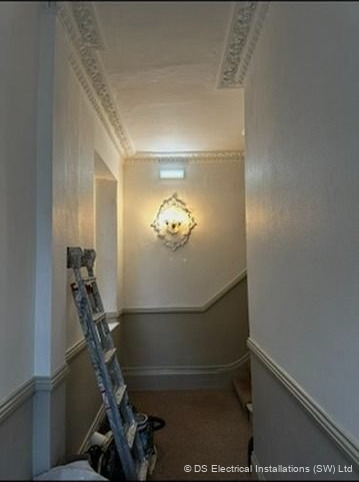
Sympathetic by default
We plan cable routes that stay invisible, protect original fabric, and work with your conservation officer so approvals go smoothly.
What we do

Routes planned to keep cabling out of sight in period fabric.
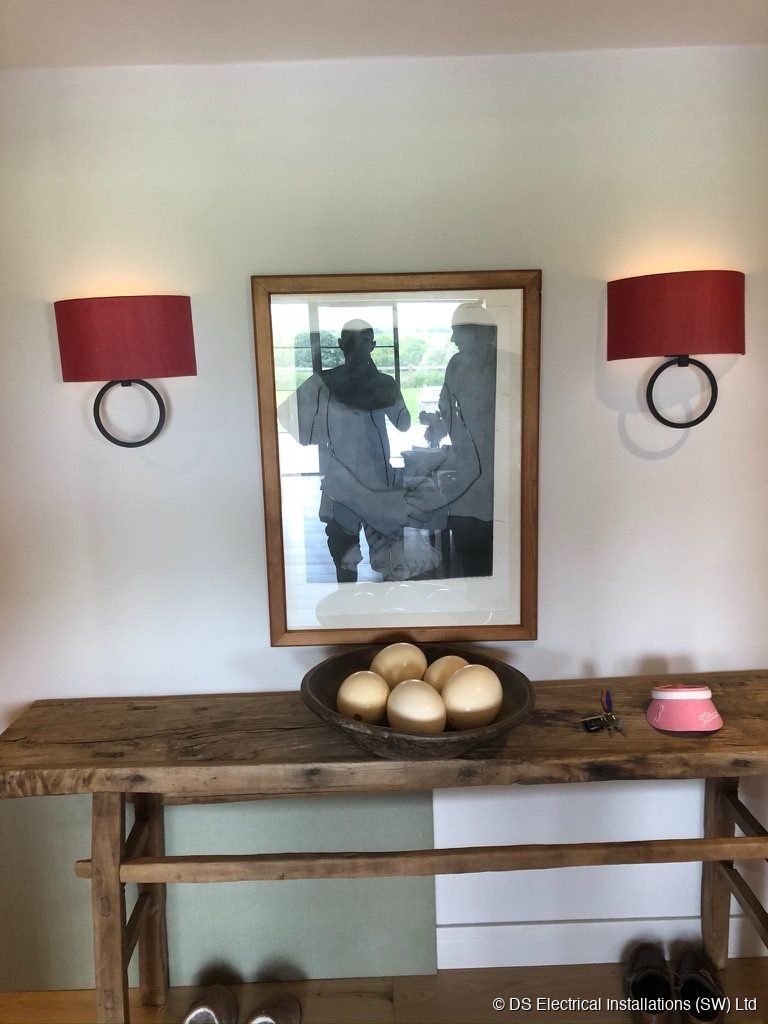
Brass, silk and reproduction fittings wired to suit the era.
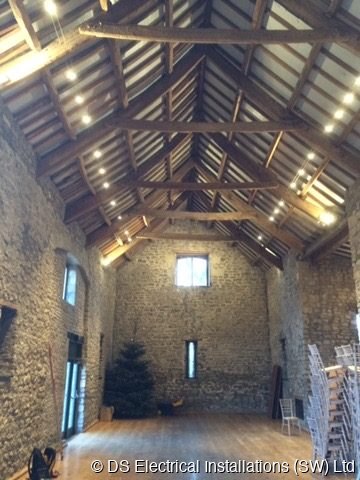
Exposed-truss lighting and power for conversions and halls.
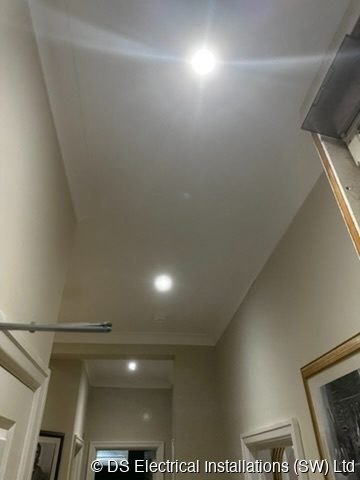
Warm, layered schemes that flatter period interiors.
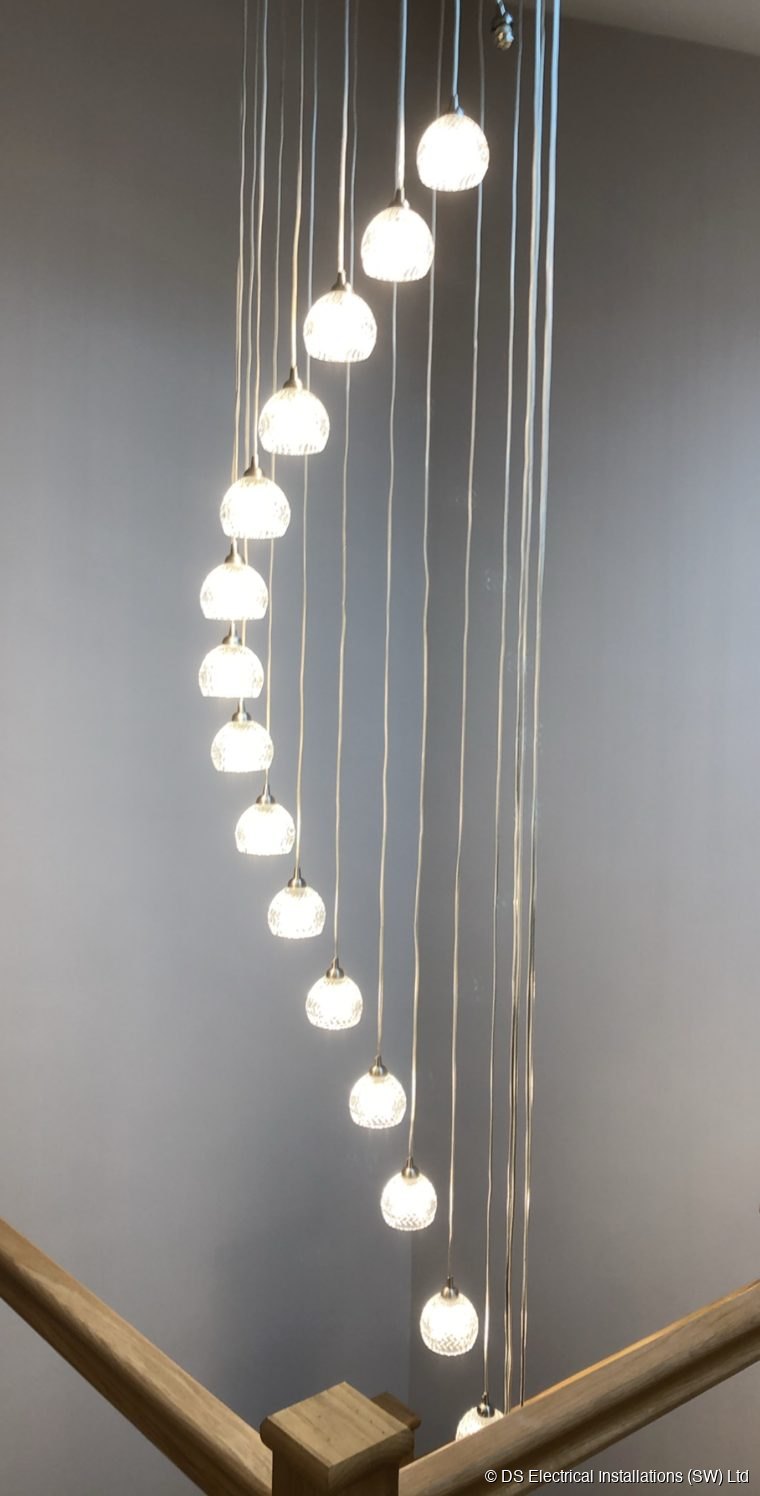
Statement, done right
Heavy period fittings need proper fixings and circuits. We install statement lighting so it looks effortless and is safe for the long term.
See heritage lighting →FAQ
Yes — we regularly work on listed and period properties, planning concealed routes that protect original fabric and providing documentation your conservation officer needs.
We go to real lengths to conceal cabling within the structure. Where a surface run is unavoidable we use sympathetic containment and agree it with you first.
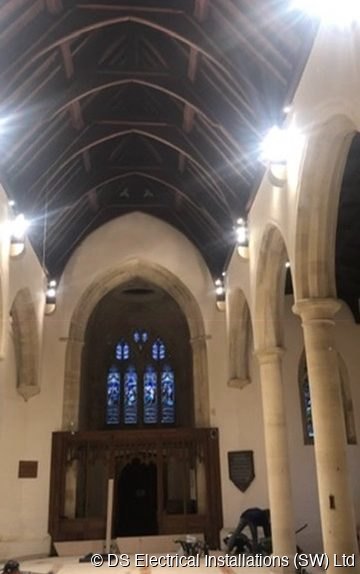
We do — nave relighting, heritage sconces and uplighting for churches and chapels across Mid Somerset.
Usually, yes. Any works that affect the character or fabric of a listed building require listed building consent from your local planning authority. We prepare clear documentation for your conservation officer showing cable routes, fixing methods and any intrusive works, and we adjust the design to minimise what needs consenting in the first place.
Most of the time, yes. We use existing service voids, lift original floorboards with care and return them like-for-like, run cable through base-coat skirting and architrave lines, and where unavoidable use the shallowest surface-fix in conduit painted to match. Chase-cutting in original lime plaster is a last resort, only with consent.
Heritage projects are priced individually after a paid survey — no two period buildings are the same, so we don't publish standard prices. You get a written, itemised fixed-price quote after the survey, not ballpark day rates.
Yes — we prefer it. We attend design-stage meetings, mark up cable routes and fitting positions on your drawings, and coordinate with the main contractor's programme. Drawings, RAMS and O&M manuals are provided in the format your architect or PM expects.
Bath, Wells, Frome, Bruton, Castle Cary, Shepton Mallet, Glastonbury, Wincanton, Sherborne and the surrounding villages of Mid Somerset and North Dorset. We occasionally travel further for longer projects — ask.
Yes — Bath is one of our core heritage markets. We routinely work on Grade II Georgian townhouses across the Royal Crescent, Lansdown, Bathwick and Widcombe areas. Cable runs follow original service penetrations and lifted floorboards, never chased into ashlar or original lime plaster. Switch plates and sockets specified in unlacquered brass or polished nickel to suit period interiors. All works documented for B&NES conservation officers.
Yes. Wells properties — including the cathedral precinct, Vicar's Close and the conservation area — need particular care. We liaise directly with Mendip District / Somerset Council conservation officers, prepare reversibility statements where required, and run cable invisibly through existing voids. Brass and bronze accessories colour-matched to the building. No surface conduit on principal elevations. BS 7671 18th edition compliant throughout.
Yes. Boards are lifted with a heritage chisel and marked sequentially so they go back exactly where they came from. Square nails, cut nails or original brass screws are kept and re-used. Cable runs are carried in joist drillings to BS 7671 zone rules with grommets fitted to prevent abrasion. Where boards are tongue-and-groove or feature original limewash, the lift sequence is agreed with the conservation officer and documented in our RAMS.
We attend a pre-application meeting with the conservation officer, the architect and the client. We bring drawings showing proposed cable routes, fixing details and accessory schedule with finishes. We issue a method statement and reversibility note for the LBC application. Once consent is granted we work to the consented drawings and notify in-flight changes through the architect. Final certificates and as-built drawings are issued to the LPA on completion if requested.
Forbes & Lomax Invisible Light Switch, Dowsing & Reynolds and Corston unlacquered brass plates, Buster + Punch solid brass and smoked bronze, Hamilton Hartland antique brass, and Davey Lighting weathered brass for surface conduit. Unlacquered finishes preferred so the brass patinas naturally. We colour-match plates to existing ironmongery and supply samples ahead of specification sign-off.
More from DS
Who this is for
This is our slower, higher-spec service line. If you're refurbishing a period home, specifying electrical on a listed-building project, or coordinating trades on behalf of a private client, this is for you.
Doing a full rewire on a listed or period property? See our dedicated Heritage Rewires → page for pricing, conservation-area methodology and city-by-city coverage across Mid Somerset and surrounding areas.
Grade I, Grade II and Grade II* residences. Georgian townhouses, stone farmhouses, Victorian rectories, medieval hall-houses. You care about the fabric of the building and you want one electrician on the job, not a rotating crew.
We work from your drawings. Design-stage input on cable routes, lighting layout and load distribution. Coordination with your main contractor's programme. Clear RAMS, O&M manuals and as-built documentation in the format you expect.
We prepare drawings and specifications that make a conservation officer's job easy. Proposed cable routes, fixing methodologies, details of any intrusive works, and a clear statement of reversibility. Approvals go smoother when the paperwork is right.
What we install
We don't sub-contract the complicated bits. Dan is on site for every heritage project, every day. The scope below covers what we do — any combination, any phasing.
Restoration-grade sconces, chandeliers, picture lights and reading lamps specified in brass, bronze or patinated finishes. Dimmable loads calculated correctly for LED filament lamps. Scene-ready wiring with proper dimmable feeds, period-appropriate plates and invisible cable runs. Whole-house programmable scene systems (Lutron, Rako etc) handled via specialist integrator partners.
Heating, lighting, audio and blinds on a single control layer, without a single visible sensor. Concealed PIRs in skirting voids, hidden keypad plates behind panelled walls, discrete zone amps in plant cupboards. The building looks original. The functionality is 21st-century.
Full or partial rewires through existing service voids, behind lifted floorboards, through under-stair cupboards and roof-void runs. Where a new route is unavoidable we chase only with consent, in lime-compatible base coat. Original plaster, lath and oak protected.
Click Deco and Deco Plus are our default for screwless metallic finishes (chrome, brass, antique brass, brushed steel) on most jobs. For period interiors we also work with Dowsing & Reynolds, Corston, Forbes & Lomax, Buster + Punch and Hamilton via trade specification — solid brass, antique bronze, polished nickel, Bakelite repro to match ironmongery. Switches and sockets that match the building, not the builder's catalogue.
Condition reporting done with care. Live insulation testing on critical circuits only, dead testing elsewhere. Honest coding — C3 observations aren't failures. Report written for owner, agent, insurer or conservation officer. Priced per property after a walk-round — listed and period homes need more time than a standard test.
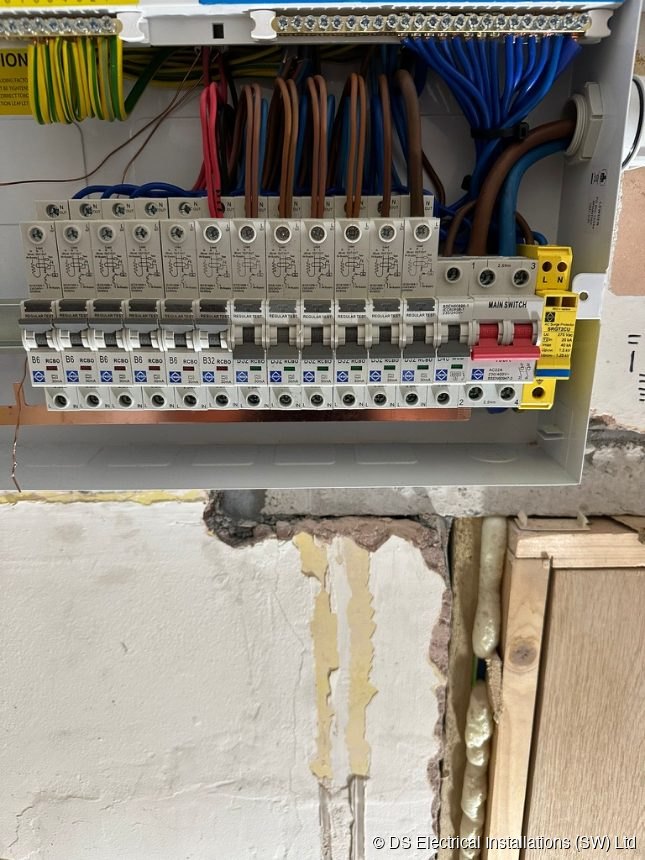
A modern BS 7671-compliant 18th-edition board is non-negotiable. Where it lives is. Pantry, boot-room, understair, plant cupboard, purpose-built bespoke joinery housing — we plan the position with your architect so the board does its job without announcing itself.
How a heritage project runs
Heritage work is slower than commodity electrical. The method below is what keeps the risk — and the surprises — out of the programme.
We work with the grain of the building, not against it. Every route surveyed before first fix. Every chase documented before it's cut. Every cover plate sourced before the wiring goes in.
What it costs
We quote a fixed price after the survey. No open-ended charging, no creep. Typical bands below — every project sits on the detail.
Entry
Priced per survey
Partial rewire, single-room smart integration, Bath townhouse refresh, small cottage consent works.
Typical
Fixed quote after survey
Whole-house period rewire with heritage lighting design, dimmable circuits and scene-ready wiring — itemised line by line and phased around other trades.
Large
Priced per phase
Full architect-led refurbishment, barn conversion, multi-phase listed-building project.
The survey fee is confirmed when we book it and credited in full against the project on instruction.
Areas we cover
What customers say
“I had a brilliant experience using Dan for a full revamp of the electrics ready for the new kitchen. It was a large project and he explained things clearly and gave me options.”
“Dan and his team did a fantastic job upgrading everything in my flat. Professional, tidy, and excellent quality work throughout.”
“Dan arrived on time, completed the job in a professional and speedy way. There was no mess to clean up. I would highly recommend.”
Get a quote
Tell us about the building and what you need — we’ll survey and quote sensitively.
DS Electrical Installations (SW) Ltd will call you back to talk through the job.