Street's older roads have Victorian and Edwardian terraces, and beyond them come inter-war and 1960s semis and modern estates on the edges. For homes like these we fit a mains alarm system that sounds everywhere at once, with a heat alarm in the kitchen and carbon monoxide cover where there is a boiler or stove. Every home is priced on what it needs, with a fixed written quote.
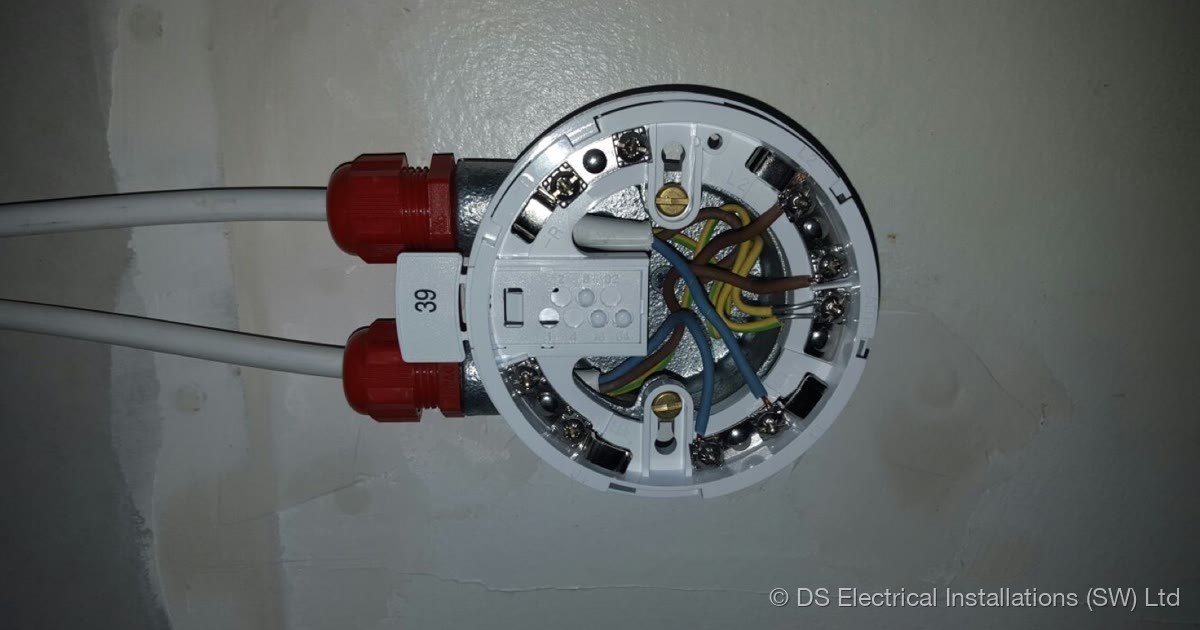
Plenty of semis and terraces in Street are two storeys with a hall, a landing and a kitchen at the back, which is the shape our three-bed package is built around. It is five devices:
All five run on mains power from a permanent unswitched supply, all have sealed 10-year lithium back-up batteries, and all are interlinked so that any one of them triggers the rest. We normally use Aico RadioLINK wireless interlink.
Things that change the count: a loft room adds a storey and another smoke alarm; a through-lounge or open-plan ground floor may need the detection repositioned; a second fuel-burning appliance in another room needs its own carbon monoxide alarm.
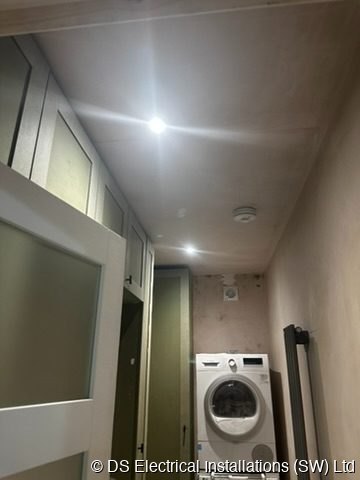
Either way, every alarm is mains-powered. The choice is only about how the alarms signal each other.
In an occupied house, hardwired interlink usually adds labour, because the interconnecting cable has to be routed through ceilings and floors. We will tell you which we would choose for your house and why, and price it in writing.
The price depends on the house: how many storeys and rooms it has, which alarms it needs and whether the interlink is wireless or hardwired, which in a lived-in house usually adds labour. When we are already rewiring, the alarms are part of the rewire. We look first, then quote a fixed price in writing.
Carbon monoxide is produced when fuel burns badly. You cannot see it or smell it, which is why the alarm matters.
A carbon monoxide alarm goes in each room that contains a fixed combustion appliance. In a Street semi that usually means the kitchen or utility if the boiler is there, and the living room if there is a gas fire or a wood burner. For rented homes, the alarm regulations specifically exclude gas cookers, so a gas hob on its own does not require a CO alarm.
When the boiler is in the kitchen, a single multi-sensor alarm can do both jobs, detecting heat and carbon monoxide. The CO alarm is interlinked with the rest, so a boiler problem in the kitchen at night is heard in the bedrooms.
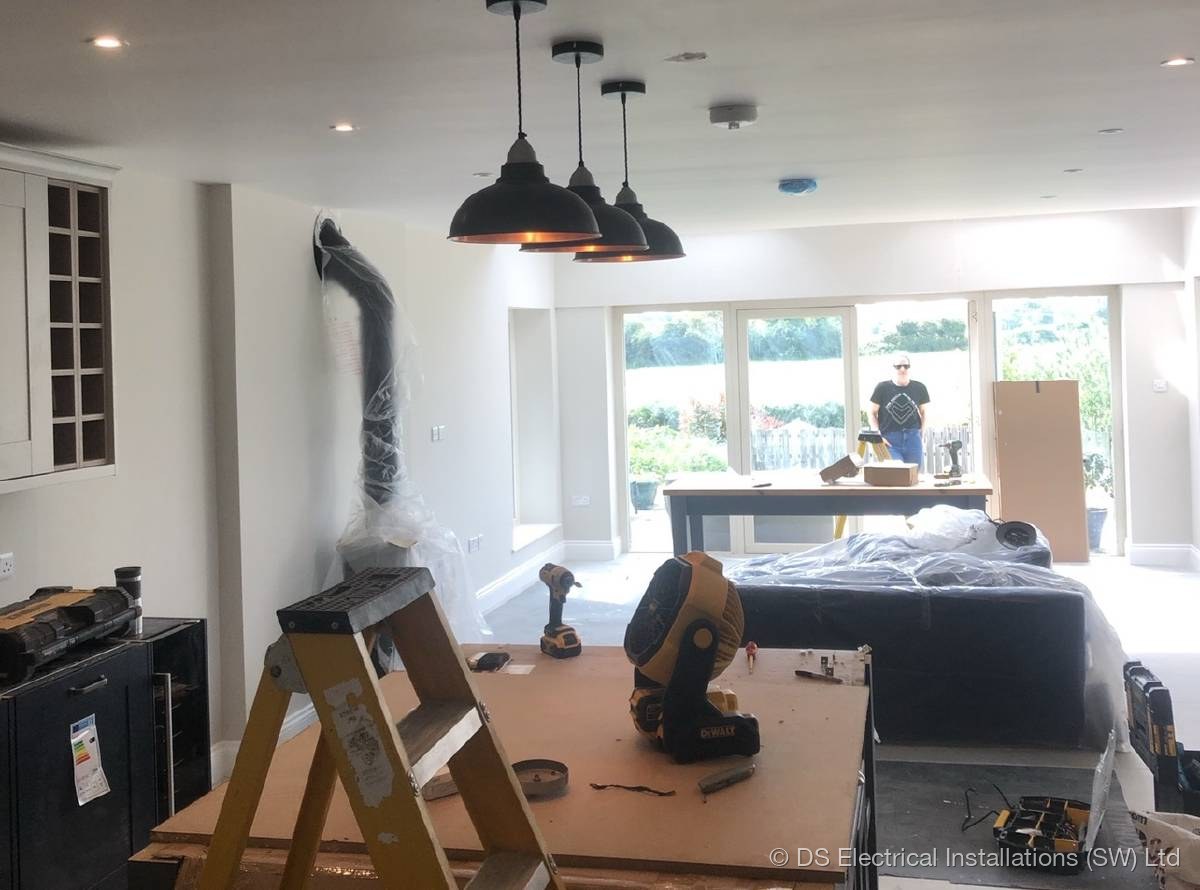
Alarm upgrades fit naturally alongside bigger jobs, and doing them together saves a separate visit.
Two jobs from this year show the pattern. Near Somerton, at West Lydford, a new circuit for an electric AGA conversion came with a smoke and heat alarm changeover. At Evercreech, interlinked mains smoke and heat alarms went in alongside a new metal RCBO consumer unit, upgraded earthing and bonding and a new supply to the garage.
Jobs from 2026 in the area around Street, with personal details left out.
A landlord's legal minimum is set by the Smoke and Carbon Monoxide Alarm (England) Regulations 2015 as amended in 2022: a smoke alarm on every storey with a room used wholly or partly as living accommodation, a carbon monoxide alarm in any such room with a fixed combustion appliance other than a gas cooker, alarms confirmed working on the day each tenancy begins, and repair or replacement when a tenant reports a fault. The rules do not specify mains or battery; we fit mains alarms with sealed back-up batteries.
Our single-let pack combines the EICR, the alarms and the certification in one visit. For the electrical inspection rules, see landlord electrical compliance in Street.
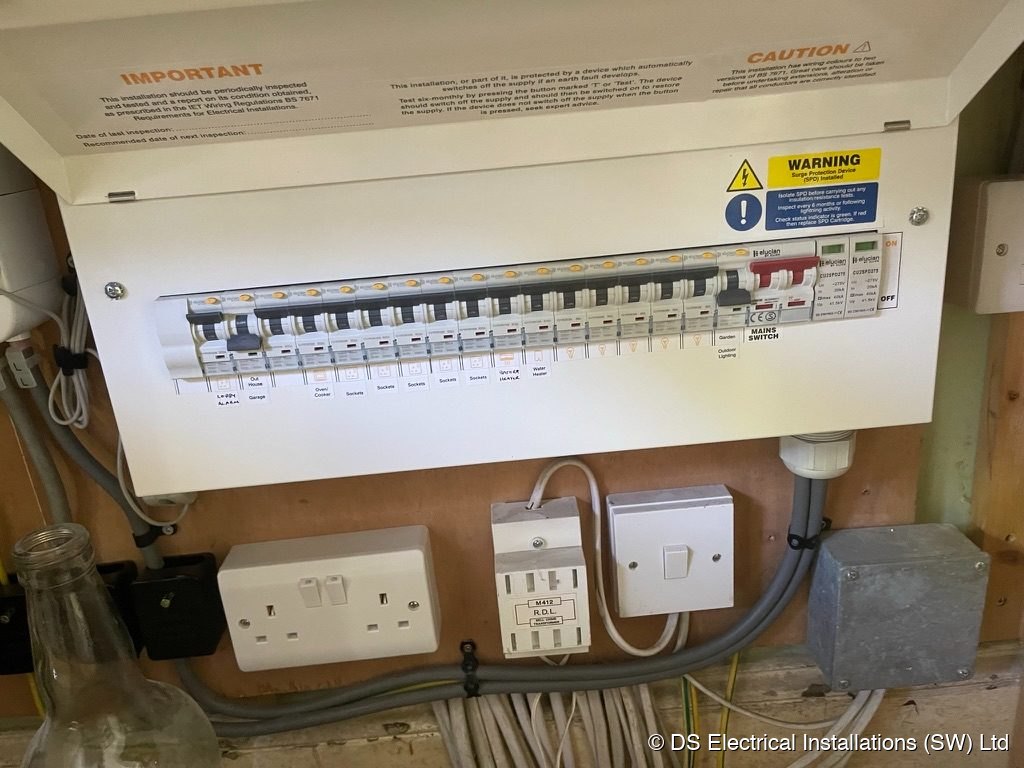
When the alarms are in and tested, you receive an Electrical Installation Certificate for a new circuit or a Minor Electrical Installation Works Certificate for an addition to an existing one, with Part P notification through NAPIT where the work is notifiable. You also get a written record of each alarm's position and manufacture date. These documents certify the electrical work. They are not a certificate of fire safety for the house.
Shops, colleges, schools and workplaces generally need a panel fire alarm system designed for that building, which is a different job. That is covered on our fire alarm page for Street. For our other work in the town, see our Street page.
Leave your details and a line about the job. We will ring you back to talk it through and arrange a survey or a written price.
New homes and some extensions and loft conversions need mains alarms, and we design those to the plan. Even where it is not required, a loft room adds a storey, and that storey needs its own smoke alarm linked to the rest, so that a fire downstairs is heard by whoever sleeps at the top of the house.
Yes. Each alarm has a sealed lithium back-up battery that takes over in a power cut, and the interlink keeps working. The battery lasts the life of the alarm, so there is no battery to change each year and no reason for anyone to take one out.
Smoke and heat alarms have a service life of 10 years, after which the whole unit is replaced, not just the battery. The manufacture date is printed on every alarm. We give you a written list of each alarm's position and date when we finish, so the replacement can be planned well ahead.
Yes. Pressing the test button on any interlinked alarm should make every alarm in the house sound. If one stays silent, or an alarm starts chirping, give us a call and we will find out why. We test every alarm and the interlink ourselves when we fit them, so you know the system worked on day one.
There is no law requiring an owner-occupier to upgrade. The practical points are whether they are linked, how old they are and whether you have carbon monoxide cover. Stand-alone battery alarms only sound in the room with the problem, and anything older than ten years has reached the end of its service life.
Priced by the job, not by the hour. A written, fixed price after a survey, NAPIT certification on every notifiable job.
07889 334849