EV charging · flats & rentals
Renting, in a leasehold flat or sharing a car park? A home charger is often still possible. It takes the right permissions, a proper survey and a cable route that stays off the public footway.



 Part P
 BS 7671
Step one
The electrics are rarely the hard part. Permission is. Before we book an install where you don't own the building outright, we need to know the right people have agreed in writing.
Get your landlord's written consent before any work. Agree who owns the charger when you leave, whether it stays, and who looks after it. Your landlord should get a copy of the certificate for their records; the charger circuit becomes part of the installation their next EICR inspects.
Read your lease. External walls, parking and communal areas are often controlled by the freeholder or a management company, so you will usually need their written consent as well. They may want the cable route, fixing details and certificates. We can provide those.
Find out who owns the space you park in, and who owns the ground between your flat and that space. If the cable crosses communal land or another owner's wall, they need to agree too.
Fitting a charger for a tenant is a new circuit like any other: notifiable, certified, and recorded with your other electrical paperwork. See landlord electrics after the Renters' Rights Act.
In October 2026 the government opened a consultation on making it easier for tenants and leaseholders to get a charger fitted at their parking space, including whether landlords and freeholders should have to decide requests promptly and not refuse them unreasonably. It is a consultation, not a rule in force, and closes on 16 December 2026. Source: gov.uk consultation, published 21 October 2026.
The survey
Want a head start? Try the EV-ready checker, or read about consumer unit upgrades, which are sometimes needed first.
On-street parking
If you park on the street, the answer depends on the highway authority, and in our area that means two different councils.
Somerset Council states that charging an electric vehicle on the public highway by trailing a cable across the pavement is not permitted. It cites the Highways Act 1980: it is an offence to place cables across a highway where they may endanger the public. It does not currently allow cross-pavement cable channels for home charging, and is progressing a pilot through a task and finish group. The council expects the pilot to launch in early 2027. Somerset Council page (last updated 12 June 2026).
B&NES is a separate highway authority. Its 2023 decision to trial cable channels in the footway described trailing charging cables across footways as a dangerous practice. We could not find a published outcome of that trial, so check the council's current position before planning anything that crosses a pavement. B&NES cable channel trial decision.
From 21 October 2026, the government says planning permission is no longer needed for cross-pavement EV charging. It does not replace the highway authority's say: Somerset Council still does not allow cross-pavement channels for home charging. gov.uk press release, 21 October 2026.
Where we stand: we do not install a home charger that can only be used with a cable over a public footway, or with a cable protector or ramp laid across it. If on-street parking is all you have, we will tell you straight at the survey rather than take a booking.
Case study
A converted 1970s house in Bath, split into two self-contained flats with a shared 60 A incoming supply and one parking bay each. Both households wanted their own charger.
Read the full write-up: dual EV chargers in a Bath two-flat conversion.
The install
More on the charger and the install: EV charger installation. Running several bays for a block or a business? See workplace and fleet charging.
Every job is priced individually. Flats and rentals vary more than most installs: cable routes, shared supplies and permissions all change the work. You get a fixed written quote after a survey, setting out exactly what is included.
Covering Mid Somerset, Bath and North East Somerset. Call 07889 334849 or email us.
FAQ
Often, yes, but only with your landlord's written permission before any work starts. It is their building and their electrical installation. Agree in writing who owns the charger if you move out, and make sure your landlord gets a copy of the certificate.
Check your lease. External walls, car parks and communal areas are often controlled by the freeholder or a management company, so you will usually need their written consent. We can give them the proposed cable route and charger details to help them decide.
Not in Somerset Council's area. The council says charging a vehicle on the public highway by trailing a cable across the pavement is not permitted, and it does not currently allow cross-pavement cable channels for home charging. In Bath and North East Somerset, check the council's current position first. We do not install chargers that rely on a cable over a public footway.
We wire the charger from the supply of the person who will pay for the electricity, either their own consumer unit or a separately metered supply. Confirming that is part of the survey, especially in flats with shared supplies.
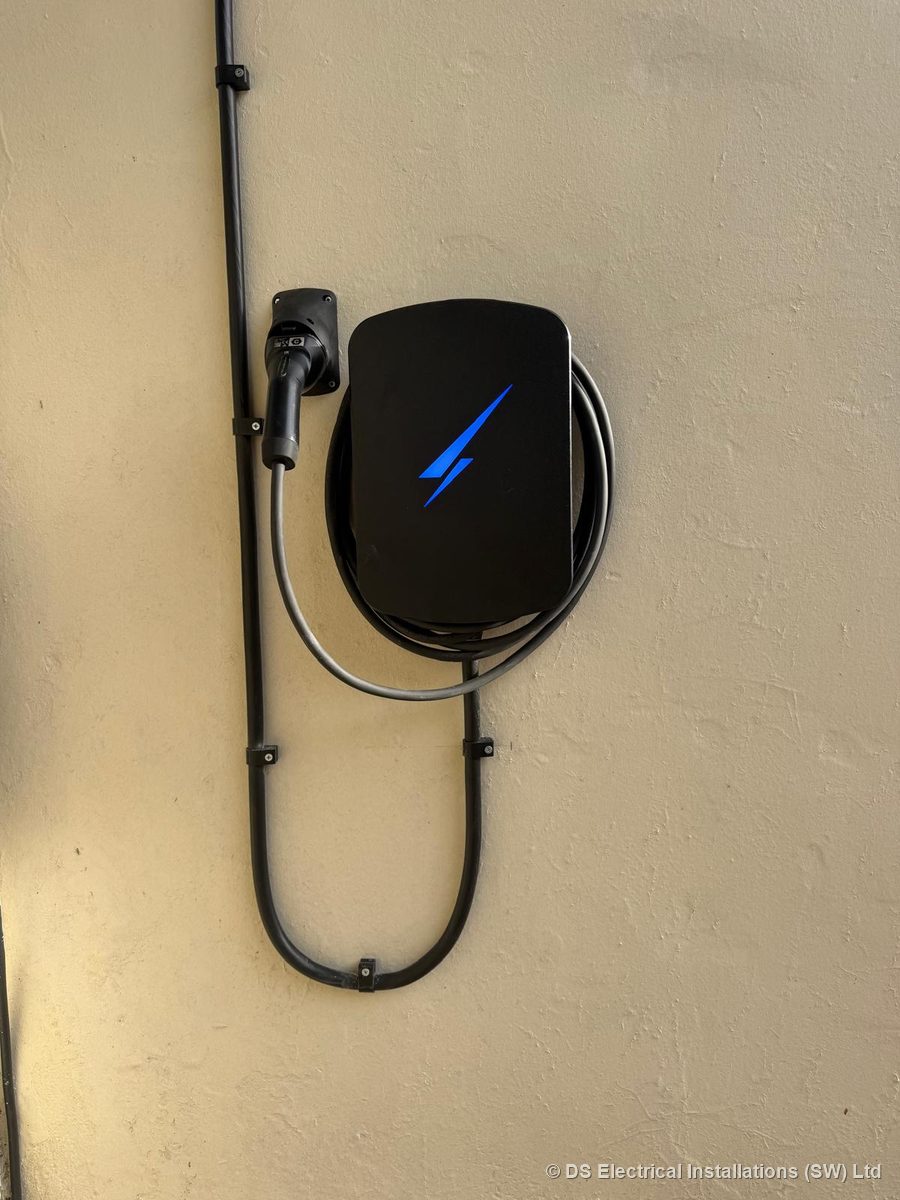
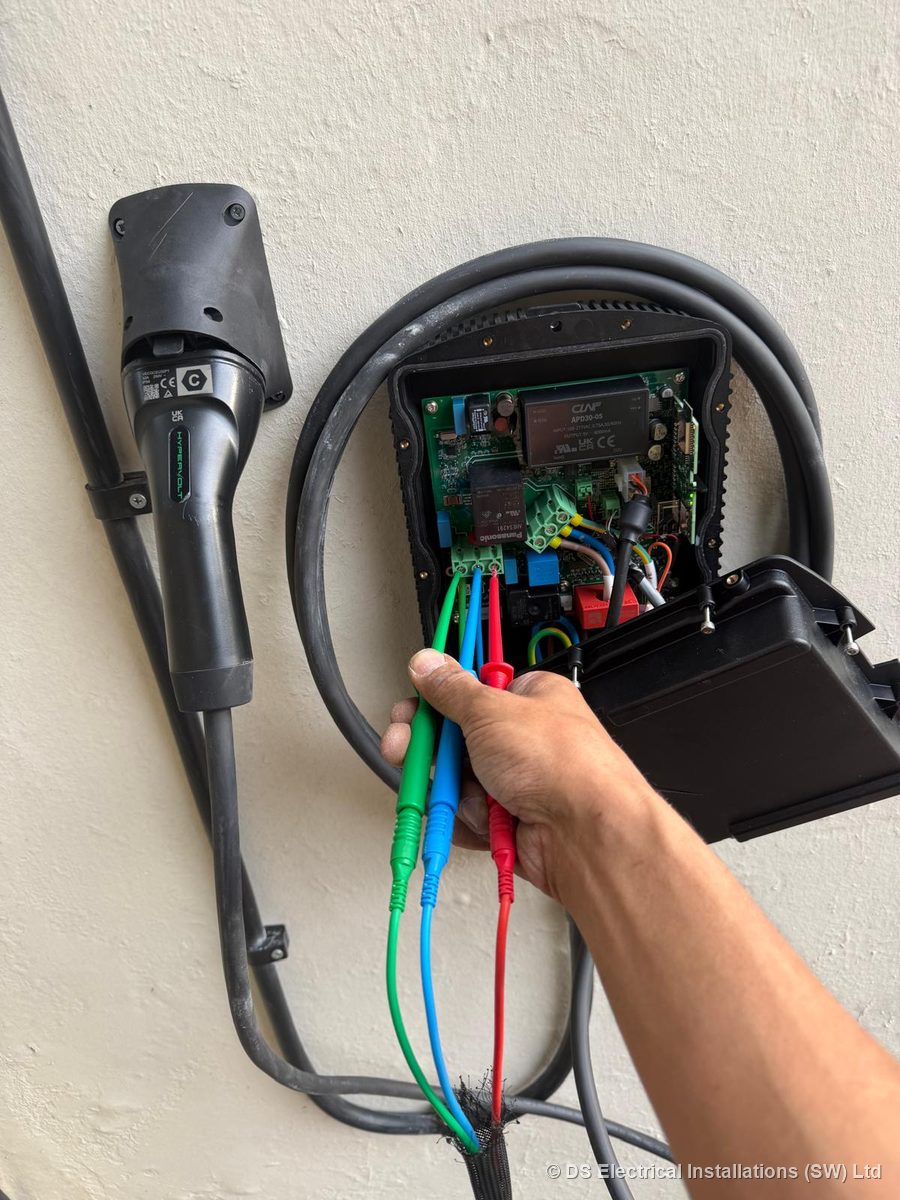
We fit Hypervolt chargers only. Each one has its own dedicated circuit from the consumer unit, protected by a Type A RCBO.
A new charger circuit is notifiable work, so you get an Electrical Installation Certificate and a Building Regulations compliance certificate through NAPIT. If you rent or own a leasehold flat, pass copies to your landlord or freeholder.
Sources
Last reviewed 25 October 2026. General information, not legal advice. Permissions depend on your tenancy agreement or lease.
Get a quote
Tell us where you live, where you park and who owns the building. We'll tell you what permissions you need and quote a certified Hypervolt install.
DS Electrical Installations (SW) Ltd will call you back to talk through the job.